
Bringing hybrid events to virtual
audiences for nearly two decades
Live Streaming Video Production Services
Varvid can professionally stream your event live to Facebook, YouTube, Twitter, Twitch, your own custom built page, or all of them simultaneously.
We also offer cellular bonding services to provide an internet connection for venues and locations with poor internet service.
Live Streaming Reel


| Basic | Standard | Premium | Large Custom Projects |
|---|---|---|---|
| Starting at$4,999 | Starting at$7,499 | Starting at$10,999 | Learn MoreClick Here |
| A Basic Live Stream is ideal for single person presentations in one physical location where pre-production planning is not needed. | The Standard Live Stream is our most common project and is good for covering physical company meetings with more than one presenter, simple fundraising events, company meetings and small entertainment events. | The Premium Live Stream is great for medium to large sized events that want high production value. | |
| 1 Technical Director & Live Streaming Technician | 1 Technical Director & Live Streaming Technician | 1 Technical Director | |
| X | X | 1 Live Streaming Video Engineer | |
| 2 Cameras with 1 Operator | 3 Cameras with 2 Operators | 4 Cameras with 3 Operators | |
| Web-ready file delivered at end of project | Web-ready file delivered at end of project | Web-ready file delivered at end of project | |
| PPT or computer source integration | PPT or computer source integration | PPT or computer source integration | |
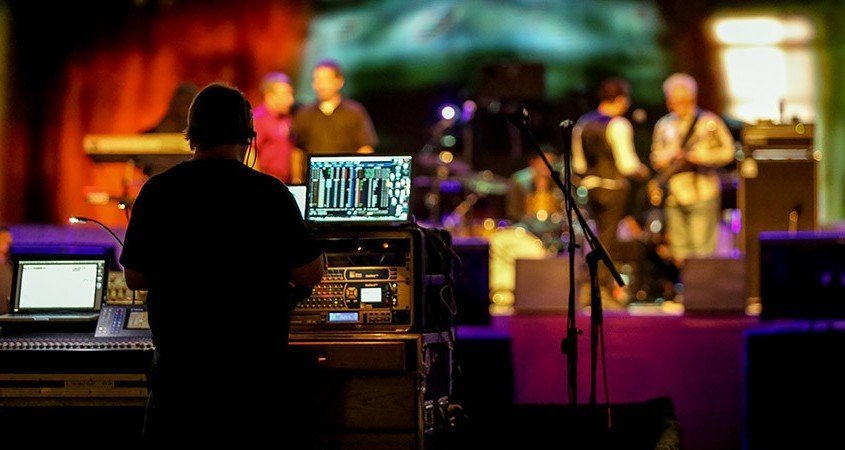
Live Streaming & Webcasting Services
Stream your event with our webcasting service. Engage your audience and connect to a specific audience or to the world. Learn More →

Virtual Events and Hybrid Events
Varvid has been bringing virtual events to remote audiences for almost two decades. Learn more →
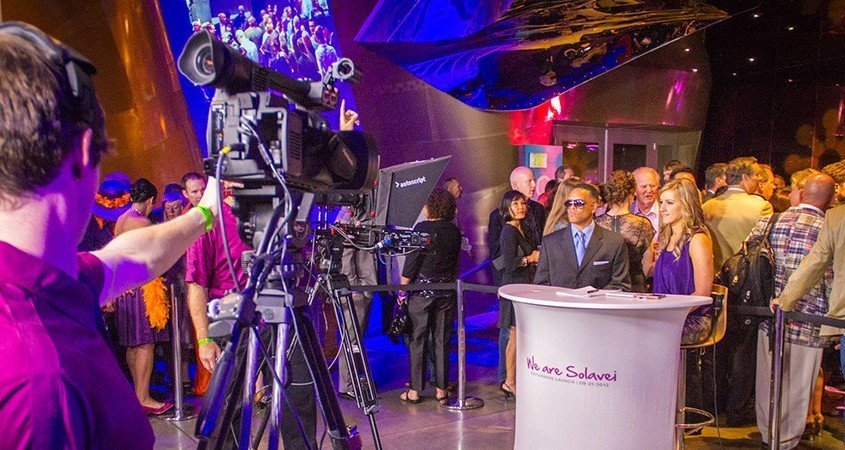
Large Custom Projects
Large scale projects for big brands, agencies, PR firms, and production companies. Learn more →